


11 historical experiences in Parramatta
Step into Parramatta’s past and discover the places, people and stories that have shaped the city.
Parramatta is filled with places that tell the stories of the people who have shaped the city from World Heritage-listed landmarks to centuries-old cottages, museums and riverside walks.
Parramatta’s history stretches back more than 60,000 years, with the area long home to the Baramadagal and other Dharug peoples. Today, you can explore layers of this history across the city, from Aboriginal culture and Country to colonial settlement, agriculture, industry, politics and social change.
Ready to step into the story? Here are 11 historical places and experiences to discover in Parramatta.
1. Explore Old Government House in Parramatta Park
Where: Parramatta Park, Pitt and Macquarie Streets, Parramatta
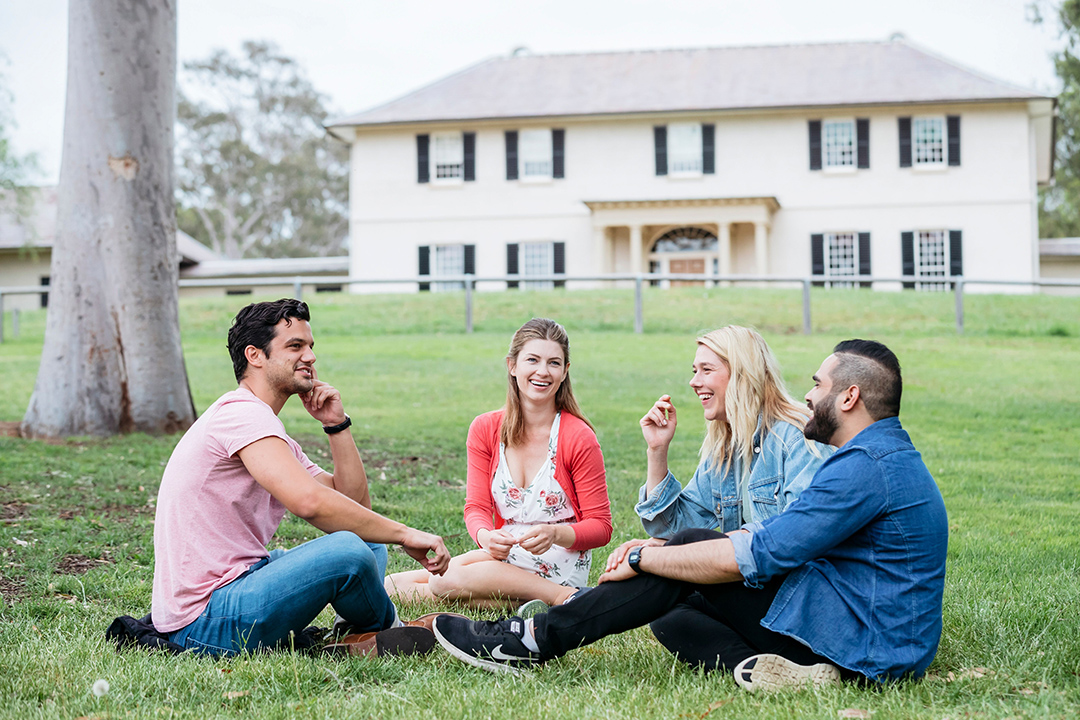
Step inside one of Parramatta’s most significant heritage landmarks. Old Government House is the oldest surviving public building in Australia and forms part of a UNESCO World Heritage-listed site. Built on Darug land by convicts in 1799, it was home to the first 10 Governors of the colony and served as a country residence for seven decades.
Restored to its Georgian character, the house is now home to Australia’s largest collection of early colonial furniture, cared for by the National Trust. Wander through its historic rooms and discover the stories of the governors, families and workers connected to the property.
Set within Parramatta Park, it’s easy to make a day of it. Explore the house before heading into the park for a walk, picnic or coffee nearby.
2. Visit Elizabeth Farm in Rosehill
Where: 70 Alice Street, Rosehill
Built in 1793 for John and Elizabeth Macarthur, Elizabeth Farm is Australia’s oldest surviving European dwelling and one of Parramatta’s most important heritage sites.
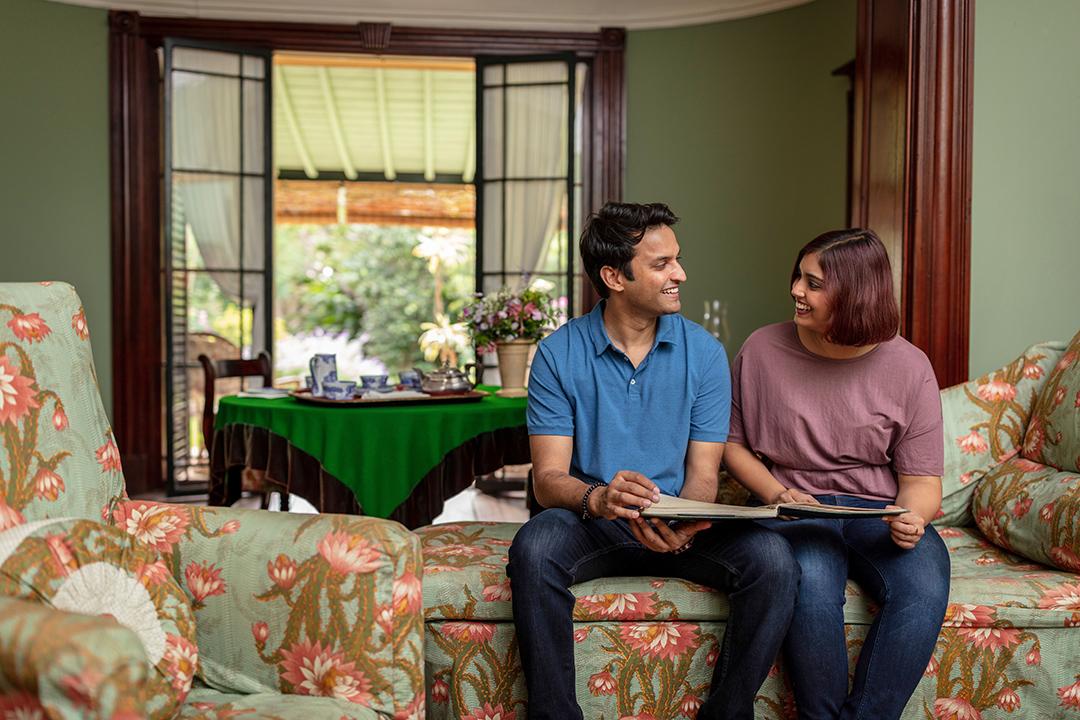
Unlike a traditional museum where everything sits behind glass, Elizabeth Farm invites you to explore the house and its recreated interiors and gardens. Take a seat on the verandah, wander through the 1830s-style garden and discover stories from the property’s long and complex history.
It’s also a great starting point for exploring the historic houses of Harris Park, with Hambledon Cottage and Experiment Farm Cottage close by.
3. Walk through history along Parramatta River
See Parramatta’s history unfold on foot along the Parramatta River.
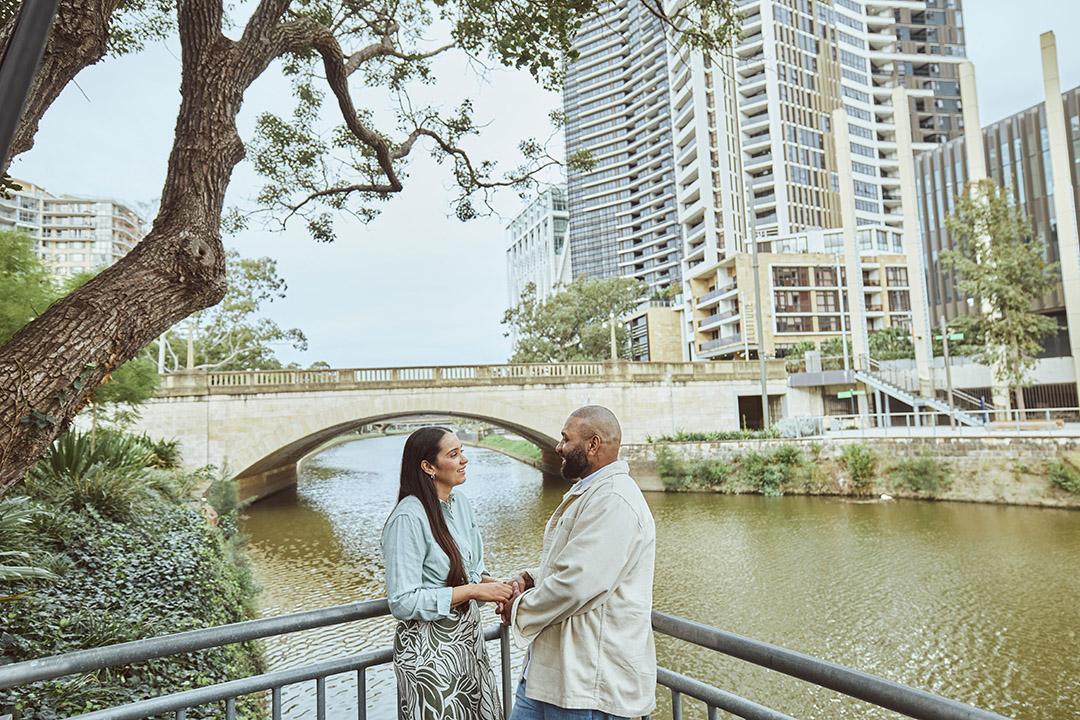
The 3.5-kilometre riverside walk follows the northern bank of the river, passing historic landmarks as it winds towards Parramatta Park. Along the way, artworks by Ngemba artist Jamie Eastwood interpret the events of 1788, European settlement and the displacement of the Burramattagal people, whose connection to the river stretches back thousands of years.
Look out for Parramatta’s Blue Plaque at Lennox Bridge
As you follow the river, stop at Lennox Bridge to discover Parramatta’s only Blue Plaque. The Blue Plaques NSW program marks the people and events that have shaped the state, and Parramatta’s plaque recognises renowned bridge builder and master stonemason David Lennox.
Built across the Parramatta River in the late 1830s, the sandstone bridge was named in Lennox’s honour in 1867. Its distinctive stone arch has remained part of the city for generations, even as the bridge has evolved to accommodate trams, pedestrians, cyclists and, more recently, Parramatta Light Rail. Today, Lennox Bridge sits between Parramatta’s riverfront, CBD and cultural precinct, connecting the city’s past with the way people move through it today.
4. Visit the Female Orphan School and Whitlam Institute
Where: Western Sydney University, Parramatta South Campus, Rydalmere
One building, many chapters of Australian history.
The Female Orphan School at Western Sydney University dates to the early 19th century and is one of New South Wales’ significant heritage sites. Opened in 1818, it was once home to orphaned convict and Aboriginal girls who were given a basic education here before it became a hospital for a century until the 1980s.
The grand building is now split into two wings, one housing a museum of the female orphan school and the other the Whitlam Institute and Margaret Whitlam Galleries since 2013.
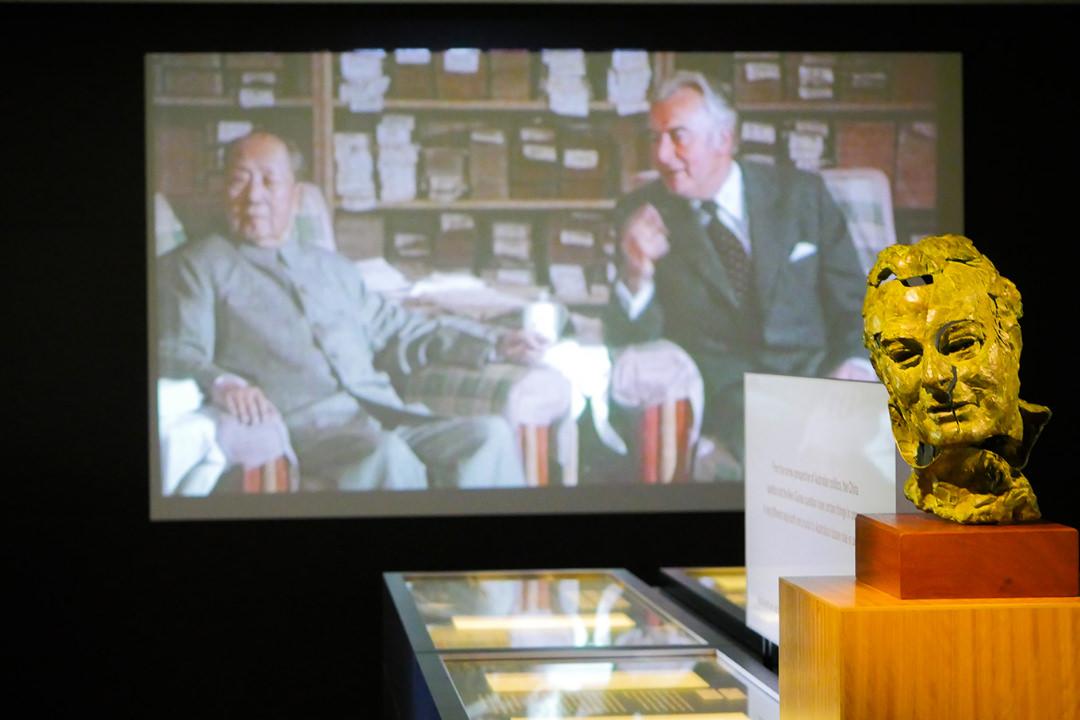
Visiting the Female Orphan School is a rich and rewarding experience, and one worth repeating to see the changing art and social history exhibitions in the Margaret Whitlam Galleries, as well as the A Changing Australia: the time of Gough Whitlam exhibition. The Whitlam Institute, a research foundation and public policy institute, is also home to the Prime Ministerial Collection, filled with more than 35,000 objects related to Gough Whitlam including the letters and photographs of one of Australia's most remarkable Prime Ministers.
Explore the Female Orphan School
Plan your visit at the Whitlam Institute
5. Discover Parramatta’s medical history at Brislington
Where: Corner Marsden and George streets, Parramatta
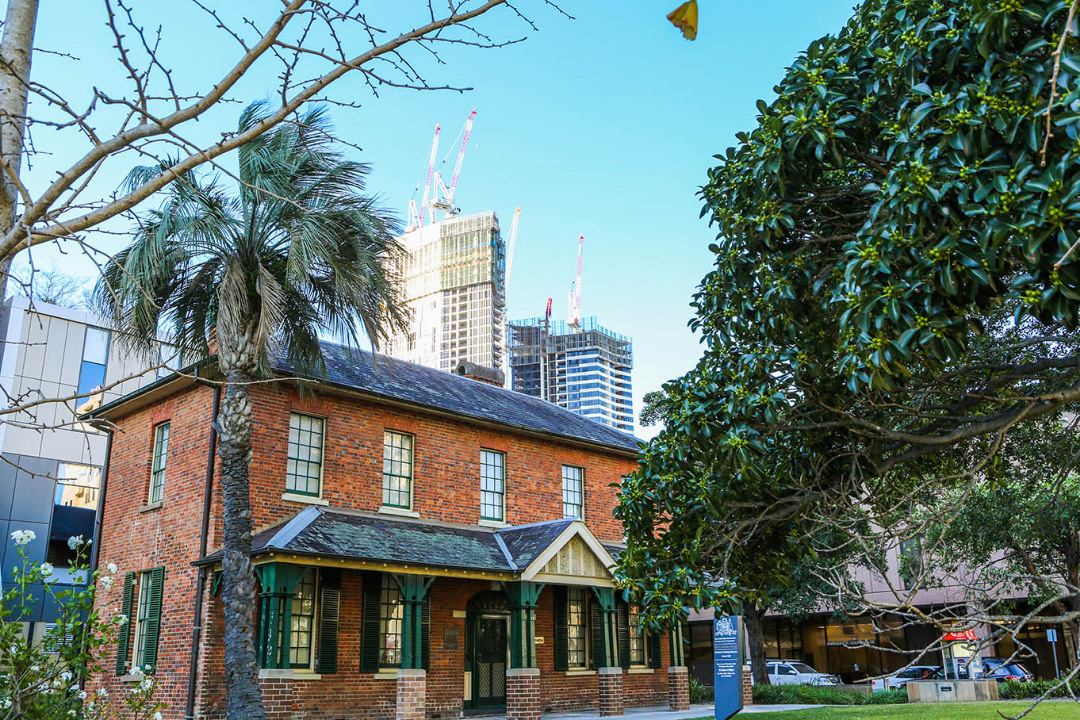
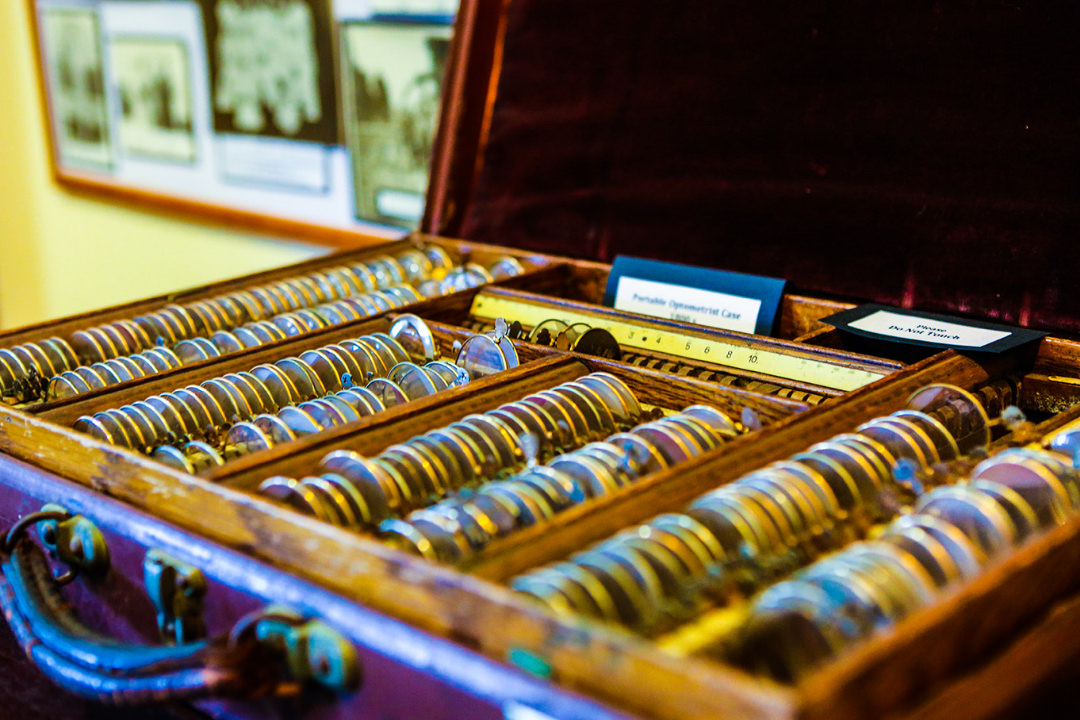
There is a rich legacy of medical science and hospital care in Parramatta, and you can learn about its history from colonial days to the 1980s as you roam Brislington Medical and Nursing Museum.
Built in 1821, the two-storey Georgian house was once home to Dr Walter Brown. Three generations of the Brown family practised medicine from the property before it later became accommodation connected with Parramatta Hospital.
Inside, displays of medical equipment, photographs and artefacts trace changes in medicine and nursing from the colonial period through to the 20th century.http://www.brislington.net/
6. Explore the NSW Lancers Memorial Museum
Where: 2 Smith Street, Parramatta
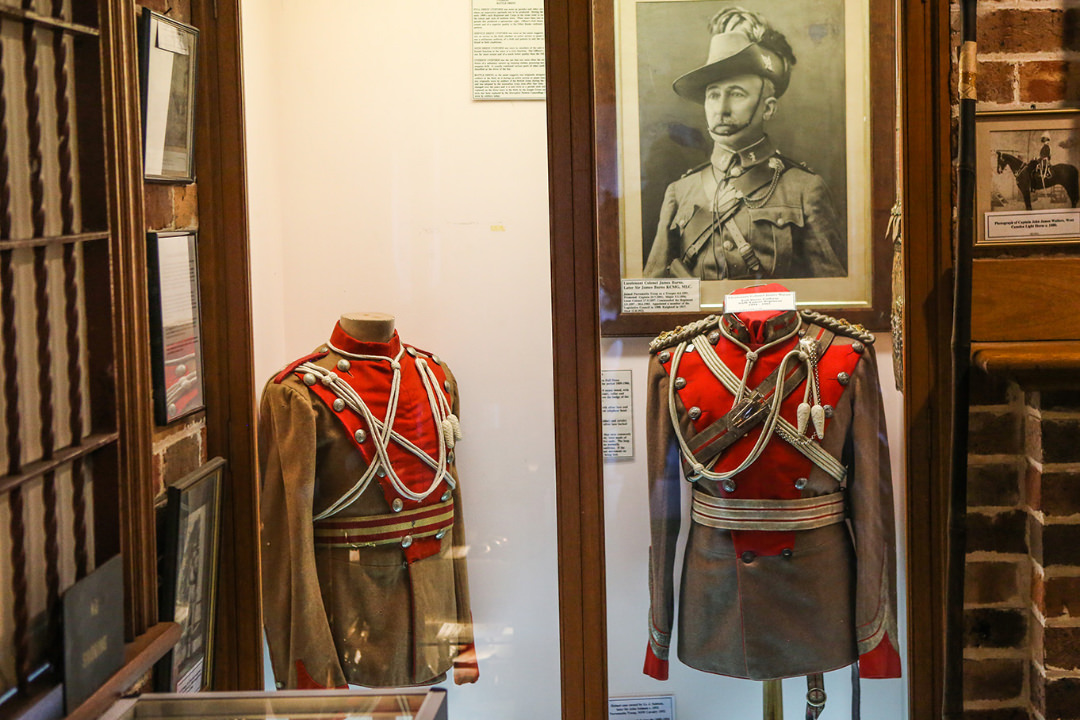
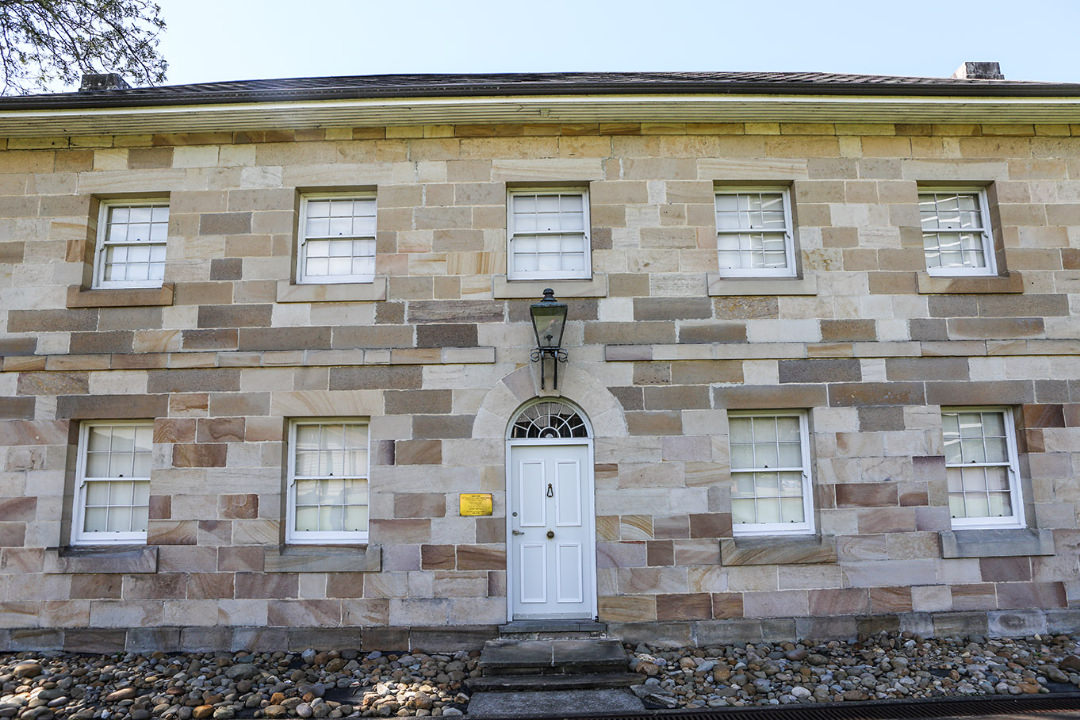
Military history sits just moments from the centre of Parramatta at the NSW Lancers Memorial Museum.
Located within the historic Lancer Barracks precinct, the museum explores the story of the Royal NSW Lancers, while the broader heritage precinct dates to the early 19th century.
Take a guided tour of the museum and discover the stories the regiment’s service on the battlefields of the Boer War, WW1 and WW2; and view the museums’ collection of vintage armoured vehicles. Read original writings including from Australian icon Banjo Patterson, and witness the collection that features weaponry, uniforms, flags and documents from battle.
Currently the museum is only open on Sundays 10am - 4pm.
7. Discover the history of Parramatta Female Factory
Where: 1 Fleet Street, North Parramatta
Behind the walls of the Parramatta Female Factory is a complex history of women, work, punishment and institutional life.
Established in the early 19th century, the site was used at different times as a place of assignment for female convicts, a hospital, factory and institution. Its stories touch on women’s incarceration, health, work and the separation of mothers and children.
Today, the Parramatta Female Factory remains an important place for understanding the experiences of women within Australia’s colonial and institutional history. The site is now a public hospital; the site can only be visited as part of a guided tour. Guided tours can be arranged by appointment only.
Book a visit to the Parramatta Female Factory
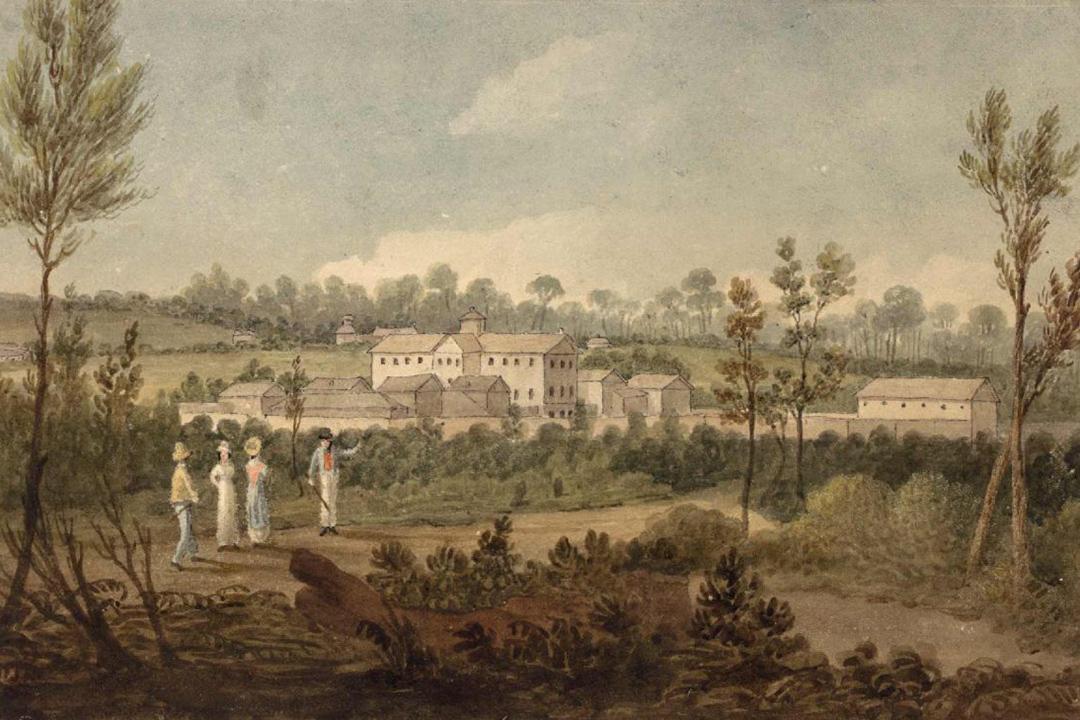
8. Step inside Hambledon Cottage
Where: 63 Hassall Street, Harris Park
Just a short walk from Elizabeth Farm, Hambledon Cottage offers another glimpse into life in colonial Parramatta.
Built in 1824 as part of the Macarthur family’s Elizabeth Farm estate, the Georgian-style cottage was used by family members, guests and the wider household. One of its best-known residents was Penelope Lucas, governess to the Macarthur daughters.
Inside you’ll find period furnishings and objects connected with the early colony, while the heritage interiors provide a window into domestic life in 19th-century Parramatta.
The cottage also makes it easy to turn your visit into a broader heritage walk through Harris Park. AT Parramatta’s current heritage trail connects significant sites including Elizabeth Farm, Hambledon Cottage and Experiment Farm Cottage.
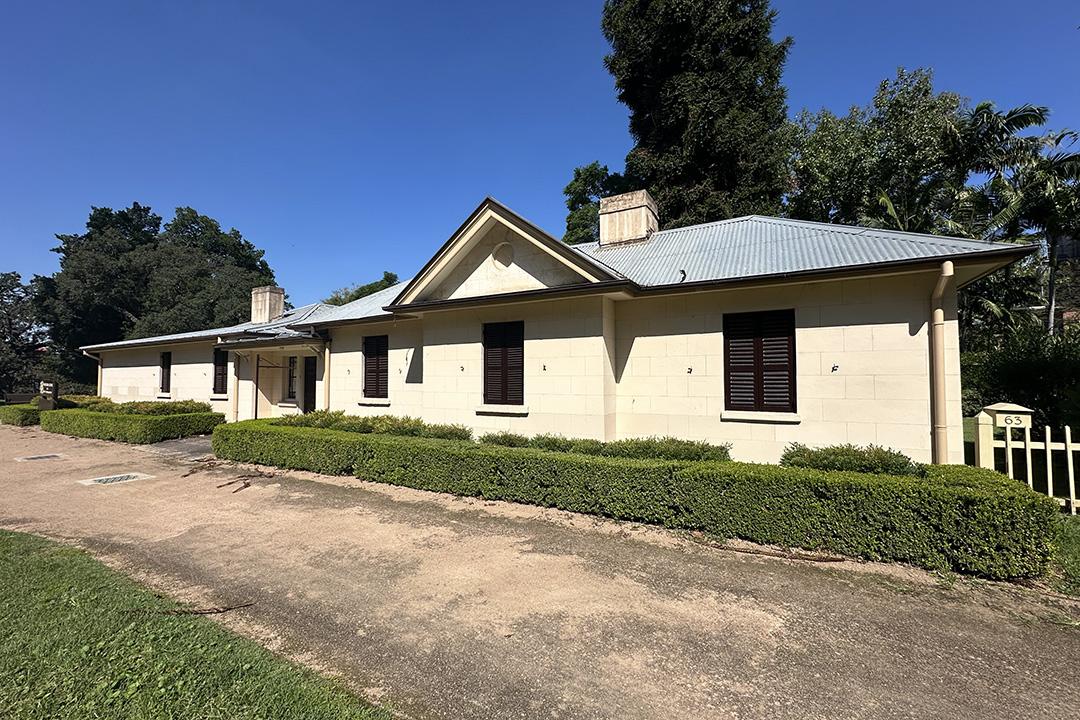
9. Tour the Dairy Cottage Precinct
Where: Parramatta Park
Hidden within Parramatta Park, the Dairy Cottage Precinct is one of the city’s oldest colonial sites.
The cottage was built in 1796 and later enlarged and converted into a dairy, complete with a sunken milk-processing room. Today, group tours offer the chance to explore the precinct through interpretive displays, audiovisual material and artefacts while uncovering another chapter of Parramatta’s agricultural and industrial history.
10. Explore Experiment Farm Cottage
Where: 9 Ruse Street, Harris Park
Experiment Farm Cottage sits on one of the most important pieces of land in the founding of New South Wales. It was here that Governor Phillip issued the first land grant to former convict, James Ruse in 1789. Ruse went on to become a pioneer of agriculture and used the property to demonstrate an experiment in self sufficiency and survival. In 1793, Ruse sold his farm to surgeon John Harris who built the existing cottage in the 1834.
Explore the furnished rooms and gardens while learning about James Ruse, early agriculture and the development of the area now known as Harris Park.
Discover Experiment Farm Cottage
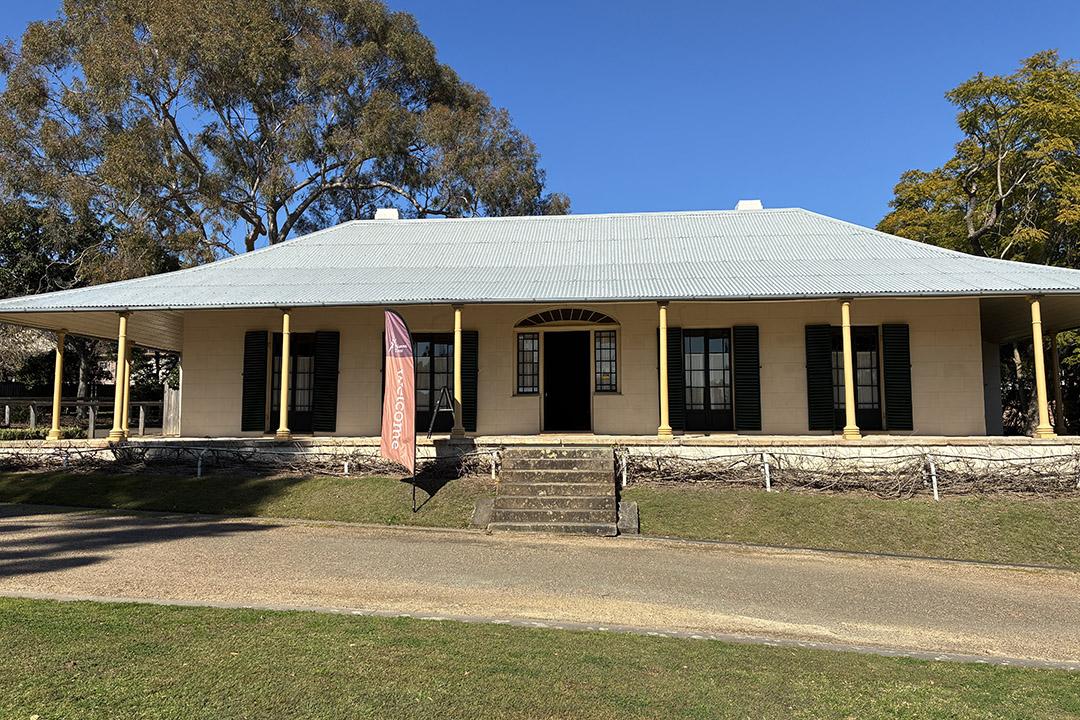
11. Follow the Parramatta Heritage Trail
Want to connect more of Parramatta’s historical places in one trip? Hit the pavement and follow the Parramatta Heritage Trail.
The trail takes you through well-preserved heritage sites while exploring Parramatta’s Aboriginal and colonial histories. Along the way, you can discover landmarks including the Lancer Barracks, heritage sites around Harris Park and archaeological remnants from the early settlement of Parramatta.
It’s an easy way to see how Parramatta’s history isn’t contained within one museum or building. It runs through streets, parks, riverbanks and neighbourhoods across the city.
Keep exploring Parramatta’s history
There’s plenty more history hiding in plain sight across Parramatta. Wander through Harris Park’s heritage streets, explore Parramatta Park or join a guided tour to hear the stories behind some of the city’s most significant places.
Explore more history and heritage in Parramatta and discover the people, places and stories that have shaped the city.


